Don't Miss Out! Get Tree Care Services through 3/31.

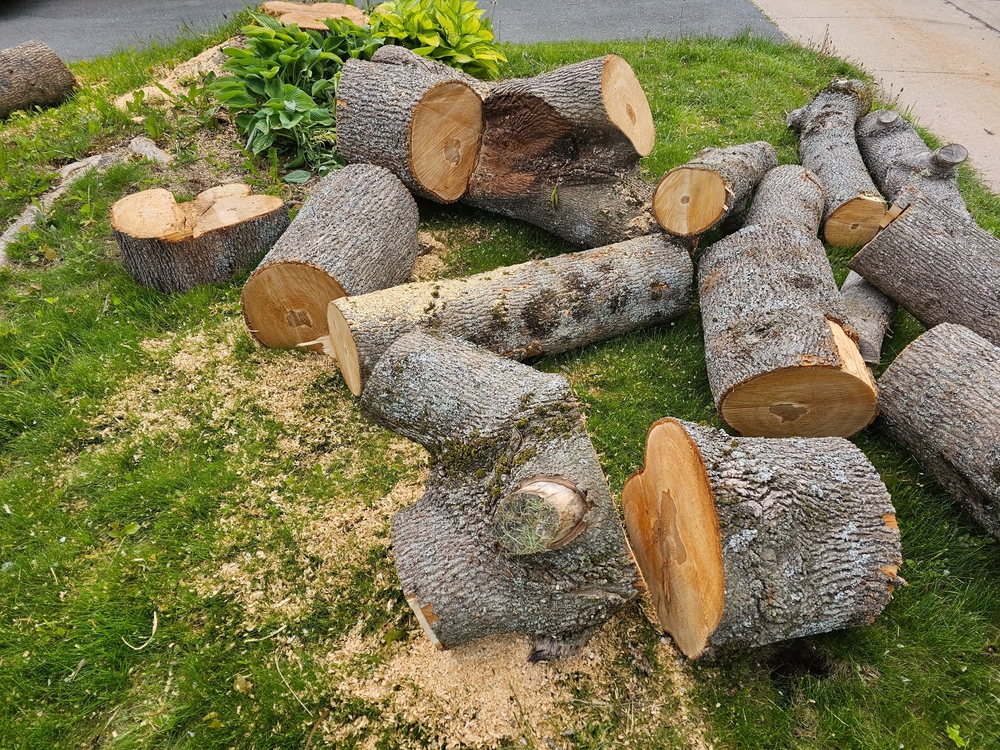
Removing a tree can feel like a pretty straightforward decision, especially if it’s dead, storm-damaged, leaning toward your home, or smack in the middle of your renovation plans. But in many parts of North Carolina, tree removal isn’t always as simple as “call a crew and cut it down.” Depending on where you live and what kind of tree it is, you may need a permit or some form of approval before removal can legally happen.
Regulations can vary widely between cities, counties, and even neighborhood HOAs, and skipping the proper steps can lead to fines, project delays, or requirements to replant replacement trees. If you’re unsure where to begin, Heartwood Tree Care is here to help homeowners in Charlotte, Lake Norman, and Asheville understand what may be required and handle the tree work safely and professionally from start to finish.
Situations Where a Tree Removal Permit Might Be Required
North Carolina doesn’t have one single statewide rule about tree removal that applies to every property and municipality. Instead, tree removal requirements are usually determined at the local level through city ordinances, county regulations, development rules, environmental protections, and HOA guidelines.
In many cases, homeowners removing a tree on a single-family residential lot won’t need a permit. But there are plenty of scenarios where a permit (or approval) can come into play, especially if the tree is protected, the property has special zoning, or the tree is located in a regulated area like a street right-of-way or near waterways.
Heritage and Landmark Trees
Many North Carolina municipalities have special protections for heritage trees. In Charlotte, for instance, the Unified Development Ordinance (UDO) protects certain native species (such as oaks, maples, and cedars) that have a diameter at breast height (DBH) of 30 inches or more. Removing a healthy heritage tree without a permit can result in staggering fines.
Historic Districts
If your home is located in a designated historic district, the rules are much stricter. Cities like Asheville and Charlotte place a high value on the historic character of their neighborhoods, which includes the mature trees that line the streets. In these areas, almost any significant tree removal requires a Certificate of Appropriateness (COA) or a specialized permit to ensure the removal doesn’t negatively impact the district’s aesthetic.
Steep Slopes and Protected Zones
In Western North Carolina, particularly around Asheville, trees play a vital role in preventing soil erosion. If your property is in a steep slope zone or near an aquatic buffer (streams and rivers), removing a tree could destabilize the land or affect water quality. In these cases, a permit is almost always required to ensure the removal won’t lead to environmental damage.
Shoreline Buffers
For homeowners in the Lake Norman area, tree removal is often governed by shoreline management plans. Local county planning offices regulate these buffer zones near the water, and removing trees within 30 to 50 feet of the shoreline (even for a better lake view) typically requires authorization and a plan to mitigate the loss by planting new vegetation.
Right-of-Ways & Street Trees
Trees near roads can fall under municipal control even if they look like they’re “yours.” If the trunk sits in a public right-of-way or the tree is part of a street tree program, removal often requires city approval.
HOA Restrictions
Even if the city or county doesn’t require a permit, your homeowners’ association might. HOAs often have bylaws that include landscaping and tree removal. Cutting down a tree without board approval can lead to community fines and a requirement to replace the tree with a specific species of a certain size.
How to Check if You Need a Tree Removal Permit in NC
Knowing whether you need a permit is the first step to a stress-free removal. Here is how you can verify the rules for your specific property:
- Determine Your Zoning: Check your local city or county planning website to see if you are in a historic district, a steep slope area, or a protected buffer zone.
- Measure the Tree: Most ordinances are based on the tree’s size. Measure the diameter of the trunk at roughly 4.5 feet above the ground (DBH). If it’s over 6 inches in Asheville or 30 inches in Charlotte, you should pause and check for protections.
- Identify the Species: Native trees like white oaks and beeches are more likely to be protected than invasive species like Bradford pears.
- Review Your HOA Bylaws: Always check your neighborhood’s Covenants, Conditions, and Restrictions (CC&Rs) before making a change to your landscape.
- Consult a Certified Arborist: A professional from Heartwood Tree Care can identify the species, assess the health of the tree, and tell you exactly which local laws apply to your situation.
Why Working With a Professional Matters During Tree Removal
Even when permits aren’t required, tree removal is one of those projects where experience really matters. A tree can weigh thousands of pounds, and gravity doesn’t pull its punches. For these reasons, hiring a professional for tree removal (and tree work of any kind) is a smart move.
- Safety Comes First: Removing a large tree involves complex physics. Our professionals use specialized rigging, aerial lifts, and high-quality chainsaws to ensure the tree comes down in controlled sections. We also understand how to manage weight distribution and lean to prevent the tree from falling in an unintended direction.
- Liability and Insurance Protection: If an amateur removes a tree and it falls on your neighbor’s roof — or worse, causes an injury — the liability could fall squarely on you. Heartwood Tree Care is fully licensed and insured, meaning both our workers and your property are protected. We handle the risks so you don’t have to.
- Protection for Your Property: Large trees weigh thousands of pounds. Dropping heavy limbs directly onto a lawn can compact the soil, crack underground pipes, or destroy expensive landscaping. We use professional-grade equipment and techniques to leave your yard looking as pristine as possible.
- Help Navigating Approvals and Documentation: If a permit or HOA approval is required, our professionals can help provide clear information about the tree’s condition and the safest removal approach, which can support your request for approval or clarify why removal is necessary.
Ready to Remove a Tree? Let’s Make Sure It’s Done the Right Way
Are you trying to figure out whether you need permission to remove a tree and feeling unsure about where to start? You don’t have to navigate the process alone. Heartwood Tree Care proudly helps homeowners throughout Charlotte, Lake Norman, and Asheville, NC, with safe, responsible tree removal, so you can move forward without second-guessing every step.
If you’re considering removing a tree, contact us to schedule an assessment. We’ll help you evaluate the tree, understand what may be required, and take the next step with confidence.