Don't Miss Out! Get Tree Care Services through 3/31.

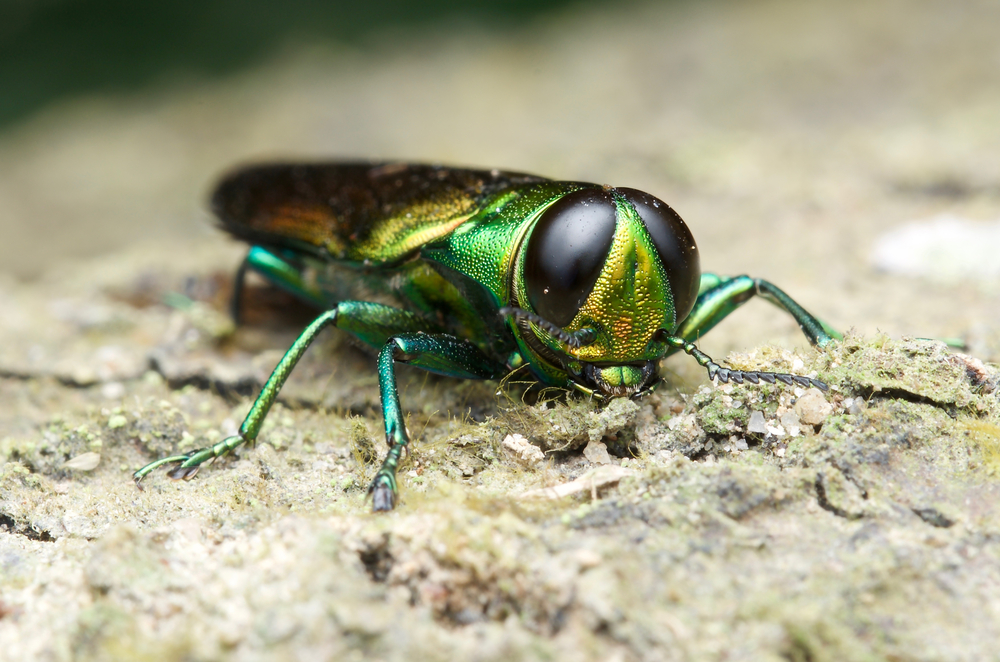
Ash trees are a beloved part of North Carolina’s landscapes. Unfortunately, in recent years, one invasive pest has threatened their survival: the emerald ash borer (EAB). Native to Asia, EAB is a metallic-green beetle no larger than a grain of rice, but its impact is devastating. Once it finds its way into an ash tree, it begins feeding beneath the bark, which disrupts the tree’s ability to transport water and nutrients. Within just a few years, even large, mature ash trees can weaken and die.
North Carolina, including regions like Charlotte, Lake Norman, and Asheville, has seen significant infestations since the pest was first detected in the States. And now, without professional intervention, it is almost guaranteed that most untreated ash trees will succumb to the emerald ash borer.
The good news is that, by understanding why EAB treatment matters (and how to identify signs of trouble early), you can protect your trees before it’s too late. While treatment may feel like an added expense, protecting an ash tree from EAB is truly an investment and not a cost, as it helps preserve the tree’s health, value, and the beauty it brings to your property.
Why You Should Treat Ash Trees for Emerald Ash Borers
EAB Infestations Are Almost Always Fatal Without Treatment
Emerald ash borers reproduce rapidly, and the larvae that tunnel beneath the bark cause irreversible damage. In most cases, an untreated tree will die within two to five years of infestation.
To prevent the loss of a valuable tree, invest in proactive plant health care solutions. This preventative care is far more effective and significantly more likely to save the tree than curative treatments when the insects have already made a home out of your ash tree.
Treatment Can Be More Cost-Effective Than Removal
Removing a hazardous or dead ash tree can cost several times more than treatment, especially if the tree is large, close to a structure, or in a challenging location. Proactive treatment allows homeowners and businesses to avoid the high cost of emergency removals, stump grinding, and potential property damage caused by falling limbs.
Ash Trees Add Significant Value to Your Property
A mature tree enhances curb appeal, provides shade that reduces cooling costs, and contributes to the overall health of your property. This means that losing an ash tree not only affects aesthetics but can also decrease property value. Instead of risking this, have your tree treated and enjoy peace of mind knowing that your tree will continue to provide a range of benefits for years to come.
EAB Spreads Quickly, and Treatment Helps Slow the Infestation
Once emerald ash borers are present in an area, they continue to spread rapidly. Treating healthy or lightly infested trees can help reduce the population density, giving nearby ash trees a better chance of survival.
Treatment Supports the Local Environment
Ash trees play a valuable role in North Carolina ecosystems. Their loss affects wildlife habitats, soil stability, shade cover, and overall biodiversity. Therefore, protecting healthy ash trees helps maintain the natural balance in both urban and rural settings.
How Do I Know if My Ash Tree Is Infested With EAB?
Emerald ash borers can be difficult to spot early, but there are several signs that indicate trouble. If you detect any of the following, call an arborist at Heartwood Tree Care in Charlotte, Lake Norman, or Asheville as soon as possible:
- Thinning Canopy: One of the earliest symptoms of an EAB infestation is dieback at the crown. Leaves become sparse, and the top of the tree may appear bare during the growing season.
- D-Shaped Exit Holes: Adult beetles emerge from beneath the bark, leaving small D-shaped holes about 1/8 inch wide.
- Vertical Splits in the Bark: As larvae feed under the bark, the tree may begin to form cracks or splits along the trunk.
- Increased Woodpecker Activity: Woodpeckers love EAB larvae and may begin aggressively pecking at your ash tree. In addition to the birds themselves, you may notice “flecking,” or patches of missing bark created by repeated pecking.
- Epicormic Shoots: A stressed tree may try to grow new shoots from the trunk or base. These small sprouts indicate the tree is struggling to survive.
If you notice even one of these symptoms, early intervention is critical to giving your ash tree the best chance of survival.
How Often Do I Need to Invest in Emerald Ash Borer Treatment?
Most professional EAB treatments are systemic and require reapplication every year, typically applied between April and October, depending on the type of product used, the size of the tree, and its overall health. A certified arborist can evaluate the health of your ash tree, the extent of the infestation, and any local EAB activity to recommend a tailored schedule for trunk injections.
Is Removal Necessary for an Infested Tree?
Tree removal is not always necessary, but in some cases, it’s the safest and most practical option. Removal may be required if:
- More than 50% of the canopy is already gone.
- The tree has structural weaknesses that pose a safety risk.
- The infestation is advanced, and treatment is unlikely to be successful.
The only way to know whether your tree needs treatment or removal is to have a professional arborist assess the tree’s condition.
Invest in Proactive Care to Protect Your Ash Trees
EAB is now widespread throughout North Carolina, and untreated ash trees have little chance of surviving once the pest arrives.
Therefore, the best way to protect your ash trees is through proactive care. At Heartwood Tree Care, we can evaluate the health of your ash trees, determine the level of risk or infestation, and recommend the most effective treatment options. Whether your tree is still healthy or showing early signs of EAB activity, we can help you take the right steps to preserve it.
If you’re located in Charlotte, Lake Norman, or Asheville, NC, and want to protect your ash trees from emerald ash borers, contact us today to get started!