
Emergency Tree Removal
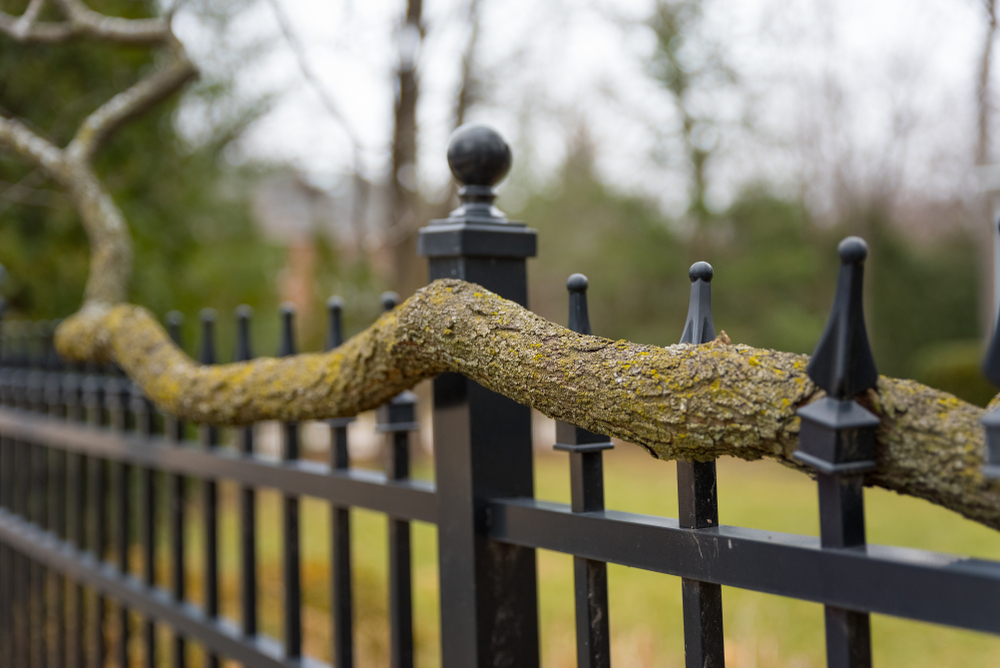
Tree branches don’t always respect property lines, and when they cross into a neighbor’s yard, they can become a source of frustration and even legal disputes. If your neighbor’s oak branch is looming over your roof or a pine is dropping needles into your gutters, you may be wondering, “Who has the right to cut the branches?” Before taking matters into your own hands, it’s essential to understand the laws that apply to pruning a neighbor’s tree in North Carolina.
At Heartwood Tree Care, we believe that knowledge of the law is essential, but that the best solutions are rooted in respectful communication. Today, we’ll explore the general legal guidelines for North Carolina property owners, though we recommend talking with your neighbor before taking action and seeking formal legal counsel for specific disputes.
Who Owns the Tree?
In North Carolina, as in most states, tree ownership is based on the location of the trunk. If the trunk of the tree is entirely on one person’s property, that individual is considered the sole owner, even if branches or roots extend into a neighboring yard.
However, if the trunk straddles the property line, the tree is typically considered jointly owned by both neighbors. In these cases, neither party has the right to remove or significantly alter the tree without the other’s consent. Shared ownership can complicate matters, making cooperation and communication especially important.
Remember that when it comes to where property lines fall, you shouldn’t rely on old fences or what you’ve simply been told. If there is any doubt about ownership, we highly recommend consulting a professional land survey.
Your Rights to Trim Overhanging Branches
If your neighbor’s tree is healthy but its branches are encroaching into your yard, the North Carolina common-law principle often referred to as the “self-help” rule may apply. This rule generally grants you the right to prune encroaching branches and roots back to your property line. For example, if branches are hanging over your roof, blocking sunlight, or dropping debris into your yard, you may legally trim them up to the property line.
Even though you are allowed to trim overhanging branches, the work must be done carefully and reasonably. Improper pruning or excessive cutting can lead to unintended consequences — both for the tree and for your legal standing.
Limitations & Legal Considerations
While North Carolina law allows for cutting your neighbor’s overhanging branches, there are important limitations to keep in mind. Most notably, you cannot prune a neighbor’s tree in a way that harms its overall health or stability. If your actions result in significant damage or cause the tree to die, you could be held liable.
No Trespassing
You may only prune up to the vertical plane of your property line. You cannot cross over into the neighbor’s airspace or step onto their land to perform the work without permission.
Preserve the Health and Integrity of the Tree
Courts generally expect property owners to act reasonably when exercising their right to pruning. This means avoiding aggressive or improper cutting techniques that could weaken the tree or create safety hazards. For instance, removing large portions of the canopy or cutting major structural limbs could destabilize the tree and increase the risk of failure. In these cases, you may be liable for double the value of the wood plus any costs associated with property repairs or replacing the tree.
Local Ordinances
There are also local tree ordinances and environmental considerations that may apply, particularly in areas with protected tree species or specific landscaping regulations. Because of this, it’s always wise to proceed with caution and gather as much information as possible before taking action.
City-Owned Trees & Right-of-Way Considerations
It’s also important to understand that not all trees near your property are actually yours (or your neighbor’s) to manage. In many municipalities, trees planted in the strip of land between the street and the sidewalk are considered city property, even if they appear to be part of your yard. Because these trees are owned and maintained by the city, you are typically prohibited from pruning, removing, or otherwise altering them without first obtaining the proper permits. Unauthorized work on these trees can result in significant fines and, in some cases, you may be held financially responsible for the full replacement value of the tree.
Additionally, utility companies often have established Right of Way (ROW) access for maintaining power lines and other infrastructure. If a tree, whether on your property or nearby, grows within this designated space, utility providers may have the authority to prune or even remove it to ensure public safety and service reliability. These rights can supersede typical property boundaries.
To avoid costly mistakes, homeowners should review their property survey to identify any ROW designations or setbacks that may apply. When in doubt, contacting your local municipality or utility provider before performing any tree work is a prudent step.
The Importance of Neighbor Communication
Even when the law is on your side, communication can make all the difference in resolving tree-related concerns. In many cases, neighbors may not even be aware that their tree is causing an issue. A simple conversation can open the door to cooperative solutions, such as agreeing on a tree pruning plan or sharing the cost of professional services. This approach not only reduces the likelihood of conflict but also ensures that the work is done in a way that benefits both parties.
Why Professional Tree Care Matters in Neighbor Disputes
When legal considerations come into play, hiring a professional tree care company is one of the smartest decisions you can make. Certified arborists have the knowledge and experience needed to assess tree health, identify proper pruning methods, and perform work in accordance with industry standards.
For example, our ISA-certified arborists at Heartwood Tree Care follow guidelines such as ANSI A300 standards for pruning, which are designed to promote tree health and structural integrity. This is especially important when cutting overhanging branches, as improper cuts can lead to decay, disease, or long-term damage.
In addition to ensuring proper technique, our team can help protect you from liability. We know how to document the condition of the tree before and after pruning, providing valuable records in case any disputes arise. We can also advise you on the best course of action, helping you stay within legal boundaries while addressing your concerns.
Resolve Tree Concerns the Right Way With Help From Heartwood Tree Care
Dealing with a neighbor’s tree branches can be a delicate situation, but it doesn’t have to lead to conflict. By understanding North Carolina laws, communicating openly with your neighbor, and taking a thoughtful approach to pruning, you can address the issue responsibly and effectively.
If you’re unsure about the best way to handle overhanging branches or want to ensure the job is done correctly, Heartwood Tree Care is here to help. Our team provides expert tree evaluations and professional tree pruning services that protect both properties while preserving the health and beauty of the tree.
Get in touch with our team today to schedule an appointment and resolve your tree concerns the right way.